
Services
Seawall Construction and Replacement in South Florida
A seawall rarely fails all at once. It leans, soil disappears from the lawn behind it, and one season the cap cracks through. Langley Coastal Construction designs, builds, removes and replaces seawalls and coastal structures in Palm Beach, Broward, Miami-Dade and Manatee counties. We are a licensed Florida general contractor, CGC1538377, family-owned across two generations, with 35+ years of licensed construction expertise.
- Replace the wall, or repair it?
- Why a seawall is engineered, not chosen
- The wall systems we build
- Tiebacks and retrofits, short of replacement
- Permitting a seawall replacement
- Height rules, and why they send walls to replacement
- Reaching walls the road cannot
- What the job looks like from your side
Written by Langley Coastal Construction, Florida general contractor license CGC1538377. Facts are linked to their sources; this is general information, not legal advice.
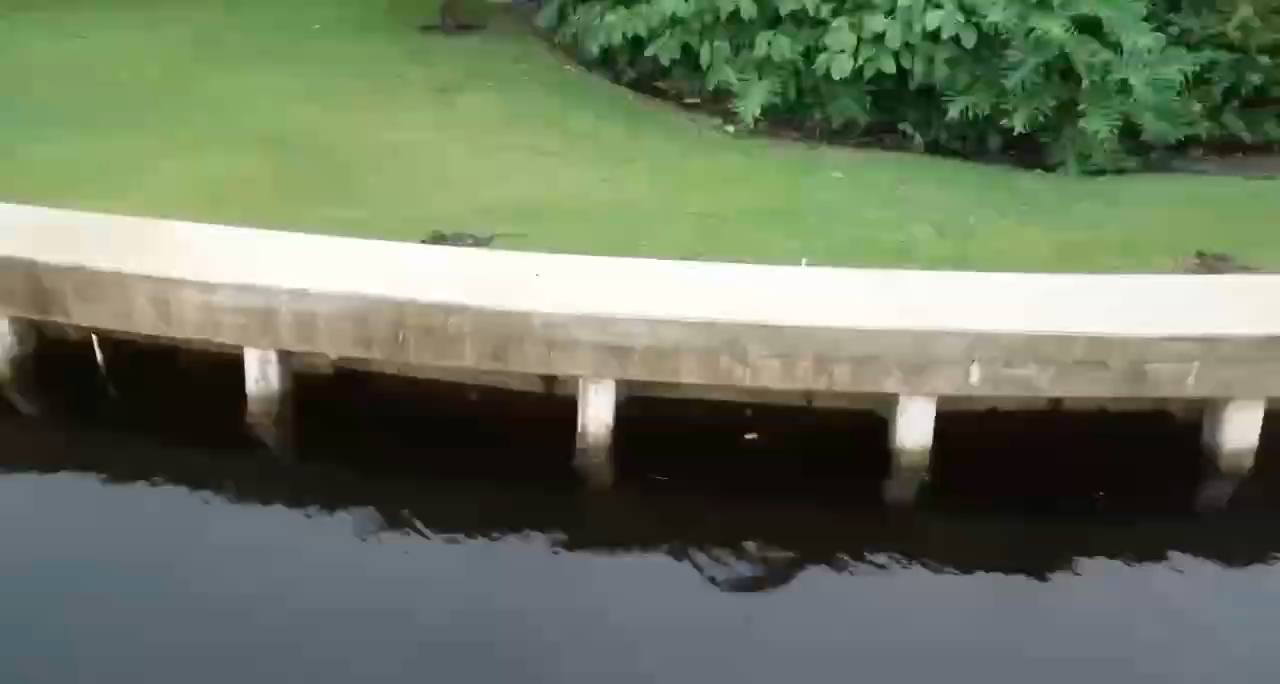
Replace the wall, or repair it?
Two jobs share one name. Repair fixes the wall you have. Replacement takes it out and builds a new one. Repair may be the right call, and seawall repair is where that work lives: underwater inspection, hydraulic cement crack repair, forms-and-rebar repairs, and foam injection.
The inspection decides which job you have, not how the wall looks from the lawn. What matters sits below the waterline: whether the panels hold their line, whether tiebacks are intact, and whether soil is still leaving.
State permitting draws the same line. Restoring a wall damaged within the last year by a storm, flood, accident or fire is exempt from an environmental resource permit only where it stays no more than 18 inches waterward of its previous location, measured face to face. [law.cornell.edu]
Why a seawall is engineered, not chosen
A seawall is a retaining wall with a tide on one side, holding back soil that gets heavier when it is saturated. We partner closely with licensed engineers, and the design is tailored to soil conditions, water depth and property layout.
The drawings are not optional paperwork. Palm Beach County's Type 8 marine structures submittal asks, for a seawall, for plan and section views and engineered, detailed construction drawings. [discover.pbc.gov]
Miami-Dade applies the same logic to retrofits: tieback repair can take an expedited administrative authorization, but only where the contractor submits structurally approved plans from the applicable building authority. [miamidade.gov]
The wall systems we build
- Sheetpile. Interlocking sections driven into the bottom, in steel, vinyl or composite.
- Concrete. Cast panels with a cap, formed and poured on site.
- Timber. The third wall material on our marine services list, alongside sheetpile and concrete.
- Riprap revetments. A sloped rock face instead of a vertical one. Florida's living shorelines manual for marine contractors gives the reason: "The vertical face of bulkheads reflects wave energy, resulting in erosion along the toe of the structure." [chnep.wateratlas.usf.edu]
- Jetties and breakwaters. Structures set out from the shoreline, built alongside seawalls and revetments.
- Riprap at the toe of an existing wall. The same manual says habitat enhancement in front of a seawall helps prevent scour at the toe, which helps extend the life of the wall. [chnep.wateratlas.usf.edu]
Tiebacks and retrofits, short of replacement
A tieback is a rod running from the wall to an anchor buried behind it, so the soil helps hold the wall upright. Where panels and footer are sound but the wall leans, adding or replacing tiebacks can be the whole job.
The state treats this as repair rather than new construction. Florida's exemption rules cover installation of batter piles, king piles, or a seawall cap used exclusively to stabilize and repair seawalls, provided they do not impede navigation. [law.cornell.edu]
What a retrofit cannot do is restore a wall that has lost its footing, or raise one below the elevation your city enforces.
Permitting a seawall replacement
Seawall work answers to several desks at once. Permitting support is part of the project.
State. Construction, replacement and repair of seawalls or riprap in artificially created waterways, and within residential canal systems legally in existence, is exempt from an environmental resource permit, including only the backfilling needed to level the land behind. [law.cornell.edu]
Federal. The Army Corps' Nationwide Permit 13 authorizes bank stabilization including riprap, revetment and bulkheads under Sections 10 and 404, effective 15 March 2026 to 15 March 2031. It is limited to 500 feet along the bank unless the district engineer waives that, and the district engineer cannot waive it for a bulkhead longer than 1,000 feet. [federalregister.gov]
Miami-Dade. Code section 24-48 requires a Class I permit before any work in, on, over or upon tidal waters or coastal wetlands anywhere in the county. A wall at the mean high water line, or within 18 inches waterward of its existing location, may go as a short form application. [miamidade.gov]
Broward. The county commission approved a county-wide tidal flood barriers standard on 31 March 2020, and Policy 2.21.7 required tidally-influenced municipalities to adopt a regionally consistent top elevation for seawalls, banks and berms. [webdocs.fortlauderdale.gov]
Palm Beach County. A seawall runs through the Type 8 permit, and the county warns that approval may be needed from the Army Corps, the Florida Inland Navigation District, FDEP, county Environmental Resources Management and the water management districts first. [discover.pbc.gov]
Manatee. Our fourth service county sits on the Gulf coast, inside the Southwest Florida Water Management District rather than the South Florida district, so the regional desk there is a different one. [swfwmd.state.fl.us]
Height rules, and why they send walls to replacement
Broward County's standard sets a minimum elevation of five feet NAVD88 for new or substantially repaired tidal flood barriers. A structure permitted before 1 January 2035 may be built at four feet NAVD88, but it must be designed so it can be raised to five feet NAVD88 by 1 January 2050. [webdocs.fortlauderdale.gov]
Cities adopt that standard themselves, and not all on the same clock. The county policy gave tidally-influenced municipalities 24 months, to 13 February 2022. Fort Lauderdale's adopted minimum had been 3.9 feet NAVD88 since 2016, and the city missed that deadline. [webdocs.fortlauderdale.gov]
It has since moved to the regional figure: a city ordinance passed on 23 March 2023 raised the required seawall height from 3.9 feet to five feet. Treat 3.9 feet as history, not as a number to design to, and check the figure for your own city. [waterfronttimes.com]
Height rules matter on a replacement, not on a patch. The elevation your city enforces is set before the drawings close, so it is worth confirming it with your building department early.
Reaching walls the road cannot
Some of the worst walls are the hardest to reach: behind a pool, on a lot with no side yard, at the blind end of a canal. Our crane barges and work barges deliver materials to sites not accessible by land, minimizing shoreline disturbance.
What the job looks like from your side
- Site assessment. We look at the wall above and below the waterline and say which job it is.
- Engineered design. A licensed engineer works soil, water depth and layout into drawings, to the elevation your city enforces.
- Permitting support. We put the application package together and support it through review.
- Construction. Removing the old wall, driving the new one, tiebacks and anchors, cap, backfill and compaction.
- Post-construction inspection. The wall is inspected before the job closes.
Questions we hear about this
Do I need to replace my seawall, or can it be repaired?
An inspection answers it, and it turns on things invisible from the lawn: whether the wall holds its line, whether cap and panels act as one structure, whether tiebacks are intact, and whether soil is still escaping.
How high does my new seawall have to be?
That depends on your city. Fort Lauderdale's required seawall height was 3.9 feet until a city ordinance passed on 23 March 2023 raised it to five feet, the standard Broward County first imposed in early 2020 with a 2050 deadline. It also catches walls damaged by more than 50 percent. Confirm your own city's figure. [source]
What permits does a seawall replacement need?
Usually a stack. In Miami-Dade, code section 24-48 requires a Class I permit for work in, on, over or upon tidal waters, with a short form available within 18 inches of the existing wall. Nationwide Permit 13 covers the federal side, and a city building permit sits on top. [source]
Can tiebacks straighten a leaning seawall?
It depends on the wall, and it is worth checking before anyone designs a replacement. A tieback runs from the wall to an anchor buried behind it, so the soil helps hold the wall up. Where the footing is gone, it cannot help.
Can you work on a wall I cannot reach from the road?
Yes. Our crane barges and work barges deliver materials from the water to sites land equipment cannot reach: walls behind pools, lots with no side yard, canal ends.
What happens to my yard during a replacement?
A replacement means removing the old wall, driving the new one, setting tiebacks and anchors, pouring the cap, then backfilling and compacting behind it. Where the site allows, materials come in by barge.
What our customers say about Seawall Construction, South Florida
These guys go above and beyond!! Great communication, price, and professional. Can’t thank them enough for their time and effort with the dock construction and sea wall. Thank you!
Talk to a licensed marine contractor
Call (954) 406-0696 or send the form. We serve Palm Beach, Broward, Miami-Dade and Manatee counties.
Guides
Sourced answers to the questions we hear most.